

Free Shipping
on orders over $50

Ingredients

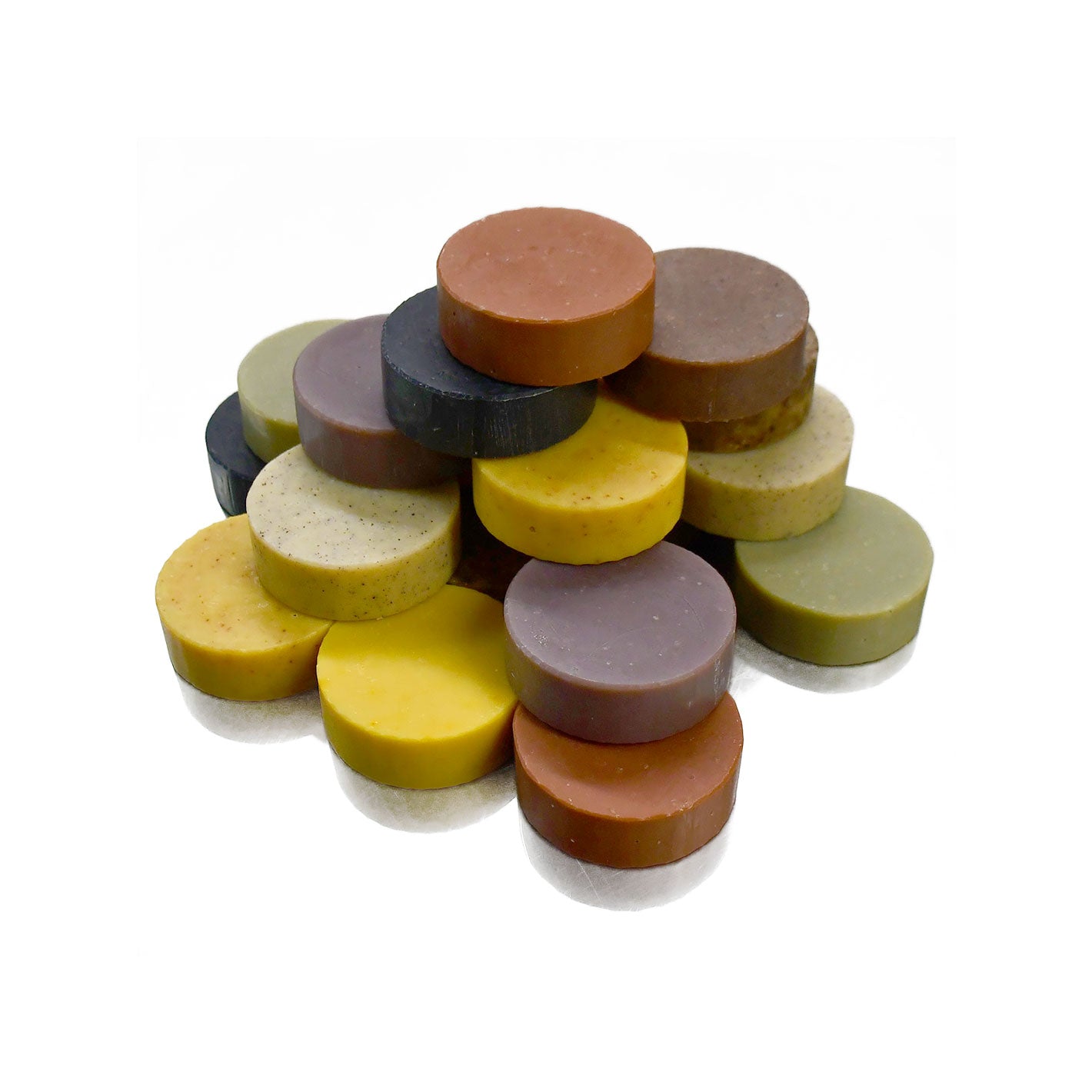
The all natural ingredients in Seattle Sundries soaps have been known for centuries to promote clean, soft and healthy skin. Each ingredient is carefully selected and combined to create our unique soaps. We are always trying new combinations, so be sure to visit often, or contact us to order your own blend of ingredients.


Alkanet Powder:

A biennial or perennial herb that grows to 12 inches high with a root rind which is used as a natural colorant and skin emollient.

Bergamot Essential Oil:

The bergamot tree is native to Asia and bears small round citrus fruits similar to oranges. Bergamot has been used since the eighteen century in perfumery. It was named after the city of Bergamo in the northern Italian district of Lombardy and is used to flavor Earl Grey tea. The scent of bergamot is citrus spice with a high floral note and is effective in treating acne, anxiety, cold sores, eczema, psoriasis, skin infections and itching. As an aromatherapy scent it is used for depression, stress and insomnia.

Black Walnut Hull Powder:

This black powder comes from the hull of a tree which is native to north America. It is valued for its astringent and insecticidal properties. The Comanche made a paste of the leaves and husk of the fruit to treat ringworm. Black walnut was also used by the Appalachian, Cherokee, Iroquois, and Rappahannock as a treatment for fungal infections of feet and hands.

Borax:

Pentahydrate Sodium borate. Borax works in many personal care products such as cosmetic creams, skin lotions, hair shampoos, dyes and gels, bath salts and denture cleaners. It is often used as a water softener and laundry booster. It is a mild alkali.

Carrot:

The bright yellow-orange juice and pulp of this common root vegetable is high in bet-carotene which is a natural anti-oxidant and sun-damage fighter.

Castor Oil:

This refined oil from the castor bean is used in all kinds of cosmetics and make up products as well as soaps. Sometimes called Palm Christi, Castor oil is added to soap, shaving soap and shampoo bars for its emollient properties and the dense lather it provides.

Cedarwood Essential Oil:

Actually comes from the juniper plant and has a woodsy, sharp scent. It is used externally for skin conditions, dandruff, fungal infections and hair loss.

Cinnamon Leaf Essential Oil:

Comes from a plant native to Southeast Asia and has a spicy, woody scent with a bit of fruit. It is used as an anti-infectious, antibacterial, antiviral and antifungal agent.

Clary Sage Essential Oil:

This essential oil comes from a tall herb native to Europe with large, fuzzy green leaves. It has a woody, pleasant conifer scent that is mildly intoxicating and can create a sense of euphoria. It is sometimes used as an aphrodisiac.

Coconut Oil:

Coconut oil gives soaps a fluffy lather. It will make a very hard bar of soap with abundant lather, even in very hard water or sea water.

Comfrey Root:

Allantoin is the active ingredient in comfrey that speeds up cell regeneration, helps promote wound, rash healing and softens the skin. It is of great help to those with eczema, psoriases and any rash type condition.

Eucalyptus Lemon Essential Oil:

This type of eucalyptus has an unusually high content of Citronellal and produces large amounts of Citronellol. For this reason it is used widely in insect repellents. It is considered to be analgesic, calming, sedative, and anti-hypertensive.

Frankincense Essential Oil:

Has been used for 5000 years for spiritual healing. Also called oil of Olibanum, Frankincense is a resin which comes from small trees in Somaliland and Southeast Arabia. The best quality Frankincense is used in church or temple incense.

French Green Clay:

Was used in ancient Egypt, Greece, and Rome to treat a variety of skin problems and digestive disorders. French green clay is regarded as a useful treatment for stimulating the skin and removing impurities from the epidermis (outermost layer of skin cells). The clay works by adsorbing impurities from the skin cells and by stimulating the flow of blood to the epidermis.

French Red Clay:

Was used in ancient Egypt, Greece, and Rome to treat a variety of skin problems and digestive disorders. French red clay is regarded as a useful treatment for stimulating the skin and removing impurities from the epidermis (outermost layer of skin cells). The clay works by adsorbing impurities from the skin cells and by stimulating the flow of blood to the epidermis.

Geranium Essential Oil:

This herbaceous, green smelling oil comes from the geranium plant and is commonly used as a mild antibacterial, antifungal and astringent for the skin.

Goat's Milk:

Is known for its richness as a moisturizer. Goat's milk possesses a special composition of fatty acids and lipo proteins which is very healthy for the skin. The moisturizing properties in milk come primarily from the butterfat it contains, and the exfoliating properties from the lactic acid. Milk makes soap richer, creamier and less drying to the skin.

Grapefruit Essential Oil:

The strong, fresh citrus scented oil comes from the peel of the grapefruit fruit and is commonly used as an external astringent.

Honey:

Honey is primarily known for its humectant and antimicrobial qualities. (A humectant is a compound that attracts moisture to itself and helps retain the moisture.) It is a wonderful additive to soaps. It can impart a light, warm, sweet scent, adds a bit of lathering capability, and acts as a humectant. Cleopatra of Egypt regularly took honey and milk baths to maintain her youthful appearance. It was said that Queen Anne of England used a honey and oil concoction to keep her long hair lustrous, thick and shiny. And Chinese women have a tradition of using a blend of honey and ground orange seeds to keep their skin blemish-free. (Information from The National Honey Board)

Jasmine Essential Oil:

An intensely floral and honey scented oil that comes from the tender petals of the jasmine flower. This very expensive oil is used widely in the perfume industry as well as to battle depression and relieve nervous exhaustion.

Lavender Essential Oil:

From the Latin lavare, meaning to wash. Lavender has been used for centuries for skin care and in fragrances. The essential oil is extracted (using steam) from the tiny green pods that sit on either side of the purple flowers. Lavender has amazing healing action as well as being a balancing and toning agent it's an antiseptic, anti-viral and anti-spasmodic. It helps with inflammation and sunburns, insect bites and rashes, and is useful for headache and nausea.

Lemon Essential Oil:

Is made from the peel of the lemon fruit. It has a clean, citrus and sugary scent and is used as a calming agent, sedative and as an anti-inflammatory.

Lemongrass Essential Oil:

This citrus, herbaceous and smoky scented oil comes from a tall grass native to Asia. It is valued for its anti-inflammatory and tonic properties.

Lime Essential Oil:

has a sharp, citrus scent and is valued for its antiseptic, antiviral, astringent, bactericidal, disinfectant, restorative and tonic properties.

Myrrh Essential Oil:

Myrrh is a gum resin which comes from a tree native to Africa and Arabia. It has a smoky, woody scent and has been used as an ancient balsam for thousands of years. It is anti-viral and anti-inflammatory.

Neem Oil:

Comes from the neem seed kernel is very rich in fatty acids such as oleic, stearic, palmitic, linoleic and various others. It is an excellent moisturizing oil that has been used historically for it's proven medicinal properties: skin care, to treat bacterial & fungal infections, acne, eczema, psoriasis, other skin lesions, dandruff, lice, diaper rash, and insect bites.

Oatmeal:

Oatmeal has been used for centuries as a soothing agent to relieve itch and irritation associated with various skin conditions. Oatmeal acts a cleanser, moisturizer, buffer, as well as a soothing and protective anti-inflammatory agent.

Olive Oil:

High in Vitamin E and known to be the very best Oil to use in soap for sensitive skins. It is a fantastic skin softener and moisturizer.

Orange Essential Oil:

Expressed sweet orange oil is a pale orange yellow to dark orange color; it has a sweet, light and fresh, fruity aroma and flavor. It's cheering, joyful, bright and lively aroma disperses gloomy thoughts, obsessions, and a fear of the unknown. It is good for mature and dry skin types.

Orange Zest:

Is one of the greatest sources of vitamin C in the world. Vitamin C is an antioxidant that protects your body's cells from damage.

Palm Oil:

Palm oil makes a hard bar that cleans well and is also mild.


Paprika:

Used for color.

Patchouli Essential Oil:

Patchouli is a small bush with large, fragrant, furry leaves and white to
mauve flowerswith an earthy, woody aroma and a nearly hidden fruity
note. It is used to help remedy skin problems such as acne, eczema,
athlete's foot, fungus and dandruff. The word "patchouli" came from the Hindustani
language but the exact meaning has been forgotten. Patchouli is also reputed to be
good for the emotions. It is said to help calm the nerves after an emotional upset. It is
also said to be useful in cheering those who are depressed. In hippie lore Patchouli was thought to be an aphrodisiac.

Petitgrain Essential Oil:

This amber colored oil with a woody to floral scent comes from the orange tree. Petitgrain is used as an antiseptic, anti-depressant, and deodorant.

Pumice:

A finely ground powder which comes from volcanic stone. Pumice is used as a fine abrasive and exfoliant.

Rose Essential Oil:

A floral and fruity scented oil collected from the petals of the rose flower. It has been used and prized for thousands of years as a general tonic, aphrodisiac and perfume.

Saffron:

Used for color.

Sage Essential Oil:

This sharply herbal scented oil is often used to treat inflamed skin, dermatitis, psoriasis, skin ulcers, cold sores, radiation burns, insect bites, cuts, aids formation of scar tissue, and is useful in regenerative skin care.

Sandalwood Essential Oil:

A pale colored oil with a sweet, woody and dry scent that comes from a tree native only to southern India. It is used widely in perfume blends and in meditation to open the third eye.

Shea Butter:

A slightly yellowish or ivory-colored natural fat extracted from fruit of the shea tree by crushing and boiling. Shea butter is widely used in cosmetics as a moisturizer and an emollient.

Siberian Pine Essential Oil:

Has a fresh, woody, earthy, balsamic scent and is used for diseases of the skin and scalp and particularly at healing spas where it is inhaled for respiratory ailments.

Spearmint Essential Oil:

This warm, sweet, minty oil comes from a plant native to the Mediterranean. It is used as an anti-inflammatory and for stress relief.

Tangerine Essential Oil:

This light citrus oil comes from the small orange fruit of the tangerine tree and is used as a relaxant.

Tea Tree Oil:

Comes from the Melaleuca plants in Austrailia and has a herbaceous, leathery smell. It has high germicidal value and many uses in medicine. It is anti-infectious and anti-bacterial.

Vetiver Essential Oil:

This essential oil comes from a fragrant grass native to India. It has a woody, caramel and smoke scent. It is valued for its relaxing effect, as a mood lifter and its ability to counteract oily skin and acne.